Realistic Business Card Mock Up Visit Stock Photo for Modern Branding
What Makes This Blank Business Card Mock Up Different
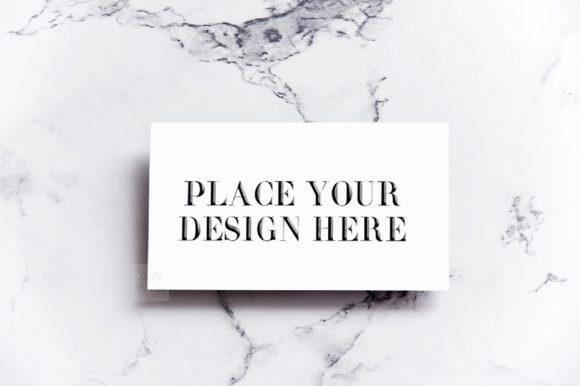
When you need to present a card design to a client or showcase your latest branding work online, nothing communicates professionalism quite like a realistic mock up. The Business Card Mock Up Visit Stock Photo offers a clean, flatlay scene that fits the standard 2 x 3.5 inch (5 x 9 cm) visit card size. Whether you work with modern minimal layouts or vintage-inspired designs, this mock up provides a neutral yet stylish backdrop that lets your artwork take center stage.
You receive one high-resolution JPG at 300 DPI (3504 x 2336 pixels) plus a PSD file with a single smart object layer. The workflow is straightforward: open the PSD in Photoshop CS4 or later, or use a free online editor like PIXLR, place your design into the smart object, and the mock up handles the rest. The card and background live on the same layer because this is a real photographed scene—the physical objects cannot be moved. The smart object uses a multiply blending mode, so your design integrates naturally with the lighting and shadows already captured in the photo.
Authentic Flatlay Photography
Unlike synthetic 3D renders, this mock up starts with an actual photograph. The subtle textures, natural shadows, and realistic lighting make your card design feel tangible. When you place a business card mock up visit stock photo on your website or Instagram feed, viewers immediately sense the physical presence of the card. That authenticity builds trust before anyone even reads the contact information.
Standard Dimensions That Fit Every Project
The mock up matches the global standard for business cards: 2 x 3.5 inches or 5 x 9 centimeters. Whether your client uses US customary or metric measurements, this mock up accommodates both without awkward cropping or scaling. You never have to worry whether your design will overflow the boundaries or leave empty space.
Smart Object Simplicity
The PSD file contains one smart object layer. Double-click the smart object thumbnail, paste or place your design, save, and return to the main file. That is the entire process. There are no layer groups to dig through, no adjustment layers to configure, and no complicated blending options to tweak. The multiply setting on the smart object ensures that white areas of your design become transparent, letting the background texture show through naturally. This works especially well for card designs that include logos, patterns, or typography on white or light backgrounds.
High Resolution for Print and Screen
At 3504 x 2336 pixels and 300 DPI, you have enough resolution for large website hero images, print brochures, social media posts, and even small posters. You can crop into the image without losing quality, which gives you flexibility when designing for different aspect ratios across platforms like Instagram, LinkedIn, or your portfolio site.
For Freelance Designers and Creative Agencies
If you design business cards for clients, you need a quick way to present mock ups during the revision phase. Instead of building a new scene for every project, keep this Business Card Mock Up Visit Stock Photo in your toolkit. Drop a client’s draft into the smart object, export a JPG, and send it for feedback. The flatlay style looks professional in email attachments, project management tools like Trello or Notion, and client presentations. When the design is final, use the same mock up for your portfolio or social media case studies.
For Entrepreneurs and Small Business Owners
Maybe you are not a designer but you need to order new business cards for your startup. You have a logo and some basic contact details, and you want to see how they will look in real life before placing a print order. Use this mock up with a free online editor like PIXLR—no Photoshop subscription required. Upload a PNG of your logo, type your name and title, and preview the result. This saves you from ordering cards that feel cramped, poorly aligned, or mismatched with your brand colors.
For Marketers and Content Creators
Social media content needs visual variety. A flatlay photo of a business card fits naturally into lifestyle feeds, behind-the-scenes posts, and branding carousels. You can pair the mock up with other objects like notebooks, pens, or coffee cups (not included in the file, but easy to composite) to create richer scenes. Because the background and card are on the same layer, your composite remains seamless without extra shadow work.
For Educators and Workshop Facilitators
Teach a branding or graphic design workshop? Use this mock up as a live demonstration tool. Show students how smart objects work in Photoshop, explain the concept of multiply blending, and illustrate why realistic mock ups improve client communication. Students can practice placing their own card designs into the same file and see immediate results. The simple structure reduces technical friction so the class can focus on design principles rather than software complexity.
For Bloggers and Publishers
If you write about branding, networking, or stationery, a high-quality mock up improves your article visuals. Instead of embedding a flat digital file, show readers how a card actually looks in a physical setting. The Business Card Mock Up Visit Stock Photo works well for tutorial screenshots, product reviews, and comparison posts where you want readers to focus on the card design itself without distraction from a busy background.
One Smart Object, Zero Guesswork
The single smart object layer eliminates confusion. You do not need to hunt through 30 layers to find the card surface. Open the smart object, place your design, and close it. The multiply blending mode handles transparency automatically. If you place a design with a white background, the white becomes invisible, leaving only your logos, text, and graphics visible over the photographed card surface. If your design has a colored or dark background, that also renders correctly because multiply composites with the underlying layer.
Works with Free Tools
Not everyone has a Creative Cloud subscription. This mock up explicitly supports PIXLR, a free browser-based editor that can open PSD files and edit smart objects. That makes the resource accessible to students, hobbyists, and budget-conscious entrepreneurs who cannot justify paying for Photoshop. The learning curve is minimal because PIXLR’s smart object workflow mirrors Adobe’s.
No Scene Setup Required
Creating a realistic flatlay from scratch requires a camera, proper lighting, a clean surface, and precise placement. You also need to edit the photo to remove reflections, adjust white balance, and sharpen details. This mock up eliminates all of that. Open the file, place your design, and you have a studio-quality result in minutes. For designers handling multiple card projects per week, the time savings add up quickly.
Branding and Communication Advantages
When you present a card design inside a realistic scene, clients and stakeholders understand scale, proportion, and finish better than they would from a flat PDF. The mock up communicates that your design has been thought through for physical production. It implies attention to detail and professionalism. For personal branding, posting a styled mock up on LinkedIn or Instagram signals that you take your professional identity seriously.
The flatlay composition also works well for before-and-after comparisons. Show an old card design next to a new one using two mock up images side by side. The consistent camera angle and lighting keep the focus on the design changes rather than the photography quality.
Understand the Limitations
The card and background are captured in a single photograph. You cannot reposition the card, change the background surface, or adjust the camera angle. If you need a different composition, you will need a different mock up file. This limitation is common among photographed mock ups and is clearly stated in the product description. Work within the scene rather than trying to fight it.
Design for Multiply Blending
Because the smart object uses multiply mode, your design interacts with the texture and shadows of the photographed card. Test your design early in the process. A card with heavy dark elements may look different on screen than expected. Adjust contrast or brightness within your design layer if needed. The multiply effect tends to deepen colors and shadows, which often enhances the realistic appearance but can make very light designs feel slightly darker.
Check the Screen Shot Reference
The product includes a screen shot that shows the smart object outline and the exact area where your design will appear. Open this reference image before you begin designing. It shows you the precise boundaries and orientation so you can align your artwork correctly the first time. This is especially helpful if your card design includes bleed elements or edge-to-edge patterns.
Resolution Suits Most Digital Uses
At 3504 x 2336 pixels, you have room to export for various platforms without reworking the mock up. For Instagram posts (1080 x 1080 pixels), you can crop a square section. For blog headers (1200 x 630 pixels), you can extract a horizontal slice. For full portfolio images, you can use the entire frame. The 300 DPI resolution also supports small print uses like presentation handouts or sales sheets.
Who This Mock Up Serves Best
This resource fits a broad audience, but it is especially valuable for:
- Independent designers who need a repeatable, professional presentation template for multiple clients.
- Startup founders testing card concepts before committing to a print run.
- Social media managers building visual content around brand identity.
- Educators teaching practical mock up workflows in design courses.
- Freelancers in adjacent fields (photography, copywriting, consulting) who want a polished way to share their contact details online.
The mock up does not require advanced Photoshop skills, which lowers the barrier for people who are confident in their design but less confident in software. If you can use a photo editor and understand the concept of a smart object, you can produce publication-ready results.
Final Recommendations for Getting the Most Out of This Mock Up
Keep a copy of the PSD file in a dedicated mock ups folder alongside other scene templates you use regularly. When you receive a new card project, duplicate the file and rename it with the client or project name. This preserves the original template and gives you a clean starting point each time.
If you share mock ups on social media, consider adding a subtle shadow or overlay adjustment to the final JPG to match your feed’s aesthetic. Even though the mock up already includes natural shadows, a gentle color grading pass can help the image feel cohesive with your other content.
For client presentations, pair the mock up with a flat digital version of the card design. The flat version shows the design clearly without any texture or shadow interference, while the mock up shows how it looks in the real world. Together, these two views give clients complete confidence in your work.
The Business Card Mock Up Visit Stock Photo solves a specific problem: showing a standard-sized card design in a realistic, attractive setting without the overhead of building a scene from scratch. Its smart object workflow, high resolution, and compatibility with free editors make it accessible to a wide range of users. Whether you are a seasoned designer or someone printing their first set of business cards, this mock up helps your work look its best where it matters most—in front of the people who matter to your brand.